
| Title: Sincerely Saul (2025) Director: Ian Tripp Writers: Ian Tripp Studio: Children of Celluloid IMDb Plot: Stuck at home with his bedridden Grandma, Saul plans to kill himself on his 27th birthday if he doesn’t lose his virginity by then. Joe Says: Ian Tripp’s dark psychological comedy Sincerely Saul manages to be as funny as it is unsettling. |
In a movie about depression, captivity, and suicidal tendencies, Ian Tripp’s dark psychological comedy Sincerely Saul manages to be as funny as it is unsettling, threading thick overlays of dark, twisted humor. Not full-on horror, as this resists traditional dramatic structure, yet the film captivates with its peculiar take on complacency, irrationalism, and the human urge to take the easy way out.
Shot in gritty, two-tone black-and-white, Sincerely Saul evokes the angular intensity of Darren Aronofsky’s Pi while carrying the mischievous spirit of a dorm-room cult classic. Ryan Schafer brilliantly embodies the social misfit Saul with delicate precision: a man without a job, prospects, or even the ability to properly end his own life. His cohabitation with his invalid grandmother Diana (Mickey Faerch hamming it up in a style John Waters aficionados will delight in) forms a strange, symbiotic relationship that is as darkly humorous as it is unsettling. Saul lives in his head, mumbles through life, and fumbles at even the simplest pleasures, from video games to online porn, providing endless comic friction with those around him: his grandmother, her friend-with-benefits Officer Porter (Karl Backus), and the curmudgeonly comic-shop owner (Ty Mabrey, channeling a stolid Steve Agee).

Tripp’s script leans into sharp sarcasm. Nothing goes right, and the humor arises from the relentless collision of expectation and reality. At one point, the narrative detours to follow Becky Baby (Augie Duke), Saul’s online infatuation, offering a rare, unnervingly serious interlude. This feels almost out of place, jolting the audience toward the raw, real stakes lurking beneath the comedy.
Cinematographer Oscar Perz and Tripp keep the visuals lean, lingering on Saul’s face, letting Schafer communicate volumes through minimal expression. Yet movies about the tragic, the despicable, and the despicably tragic can be a chore narratively. And Sincerely Saul falls into repetition. Unlike a trope used by the aforementioned Aronofsky, who employs such a technique to imply addition or stress, Tripp uses such for humor, and these comedic techniques occasionally overstay their welcome.
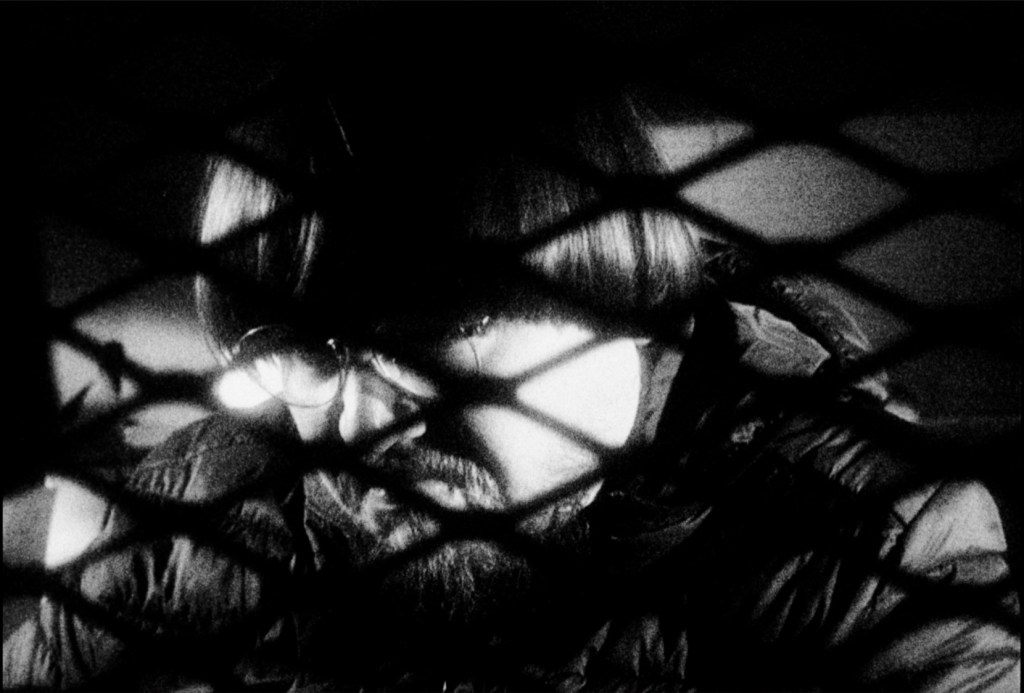
Sincerely Saul is an indie curiosity — dark, dry, and quietly funny, a meditation on human frustration and ineptitude that resonates because it doesn’t reach for easy catharsis. By the final frame, Saul is trapped once again in the machinery of his life, and the bleak rhythm of his existence offers no comfort, no release, only the quiet, relentless drag of what comes next. Tripp might be keeping it dark but he does so with style.



 Read @ Joe’s
Leave a comment