| Title: Primate (2025) Director: Johannes Roberts Writer: Johannes Roberts // Ernest Riera Studio: Paramount Pictures IMDb Plot: A group of friends’ tropical vacation turns into a terrifying, primal tale of horror and survival. Joe Says: Primate is pure creature-feature schlock and proudly revels in it. |
Written and directed by Johannes Roberts, Primate takes the oldest horror equation in the book and dials it up to a gleefully silly extreme. In this instance of man versus beast, a rabid chimp named Ben is the slasher/stalker/telemarketer proxy. The result plays like a 21st century Cujo, skewed younger, louder, and meaner.
Set against the lush beauty of Hawaii, the film centers on Lucy (Johnny Sequoyah), a young girl trapped in paradise as a rabid chimpanzee turns a gorgeously-modern home into a blood-splattered cage match as tropical landscapes become the backdrop for shrieks, torn flesh, and teenaged panic.

Primate wastes little time on setup. Characterization beyond Lucy and her father, Adam (Troy Kotsur), exists in the barest of broad strokes. The movie jumps quickly into the horror, leaning on pacing, gore, and tension rather than backstory. For younger audiences especially, the effect works. This is a film that wants to scare first and explain later. Phones are rendered useless through clever narrative bottlenecks, isolating the characters without leaning too hard on contrivance. Once the chase begins, the movie rarely pauses to catch its breath. There is emotional backlash, masculine stupidity, and callbacks to plenty of classic horror motifs.
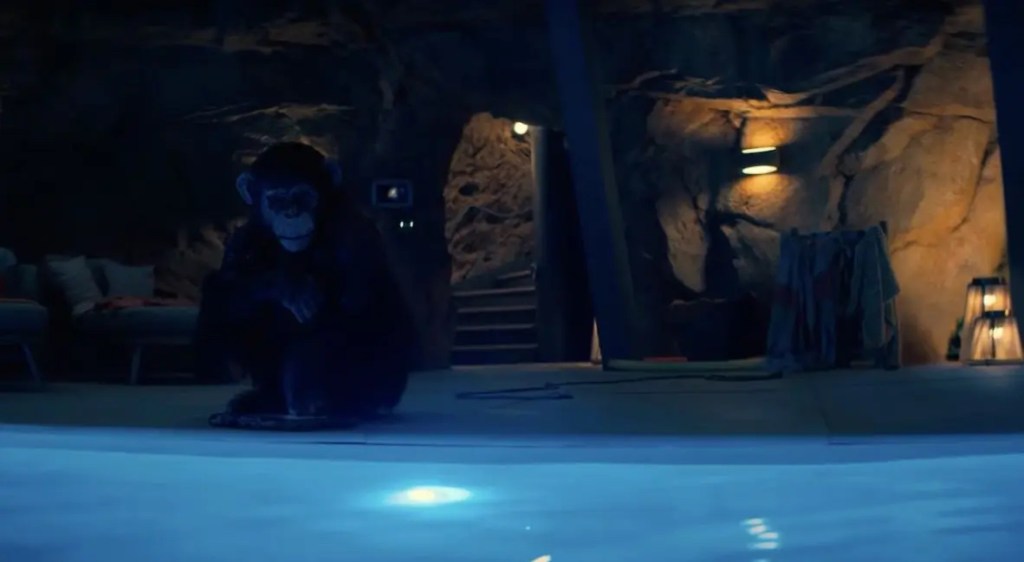
One of Primate’s biggest strengths lies in its effects work. Ben the chimp is brought to life primarily through practical means, with actor Miguel Torres Umba performing in prosthetics and aided by puppetry rather than leaning on weightless CGI. Ben feels present, physical, and dangerous. Roberts and his team strike an effective balance, allowing the chimp to be both frightening and faintly sympathetic, a creature driven mad by disease rather than evil by design. The gore lands with tactile impact, reinforcing the film’s old-school horror sensibility.
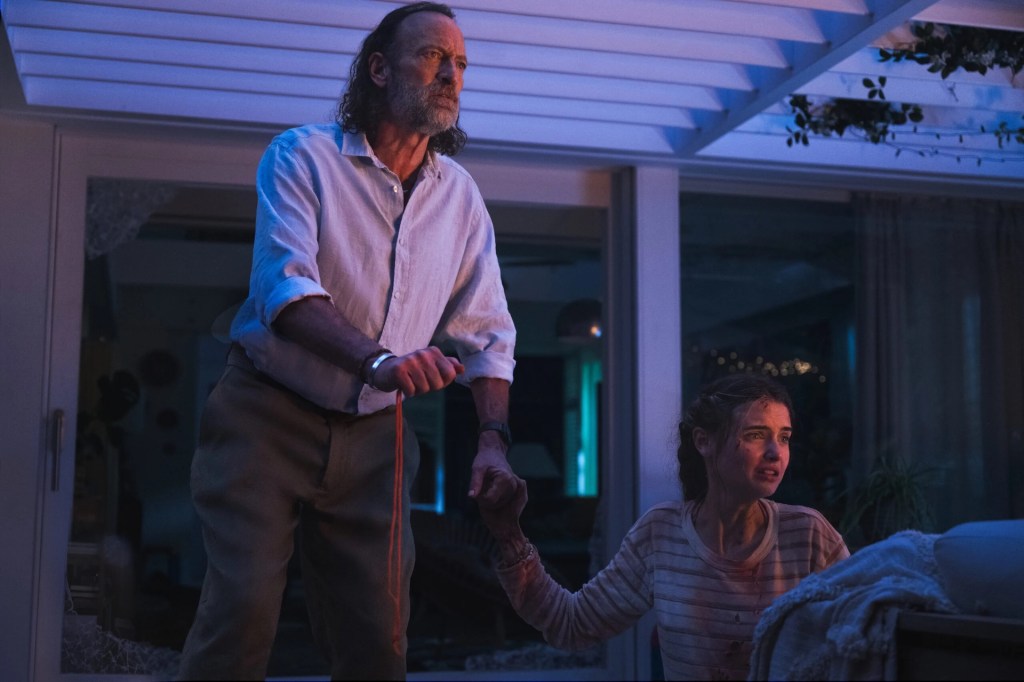
A standout supporting turn comes from Kotsur, whose role is integrated seamlessly into the narrative. His deafness isn’t treated as a gimmick or obstacle but becomes a natural part of the film’s tension and staging, adding texture to scenes that might otherwise play flat. In a movie that embraces familiar tropes with unapologetic enthusiasm, those thoughtful touches help Primate rise above pure creature-feature schlock, even as it proudly revels in it.
In the end, Primate knows exactly what it is and never pretends otherwise. This is a b-level creature feature that trades depth for momentum, swaps prestige for panic, and leans hard into practical effects and crowd-pleasing scares that’s especially effective for younger audiences. Roberts certainly does not reinvent the genre, but Primate grips, gores, and commits. Sometimes all a horror movie needs is a monster, a house, and nowhere to run.

Check out a full discussion about Primate on the Cinefied podcast featuring Read @ Joe‘s Joe!


 Read @ Joe’s
Leave a comment