| Title: Marvel Explodes: From Bullpen to Big Business (2026) Author: Paul Levitz Publisher: Bloomsbury Academic Book jacket: Marvel Explodes tells the story year-by-year, the expanded mythology, the new titles, and the writers and artists who would join to fuel the explosion. Joe says: Enjoyable yet frustratingly shallow. |
Paul Levitz knows comics. Really knows comics.
Best known for his lengthy and noteworthy tenure as an executive editor at DC Comics, Levitz also spent years writing one of the most beloved runs of The Legion of Super-Heroes and remains one of the industry’s more thoughtful historians and insiders. Yet for all that unique DC experience, Levitz crafts an interesting, if extremely high-level, look at Marvel Comics – and specifically Marvel as a business – from its intro in the mid-sixties up to its dominance of the comics industry in the mid-seventies.
And Marvel Explodes: From Bullpen to Big Business is, indeed, as enjoyable a read as would be expected. Yet, it is also a frustratingly shallow one.
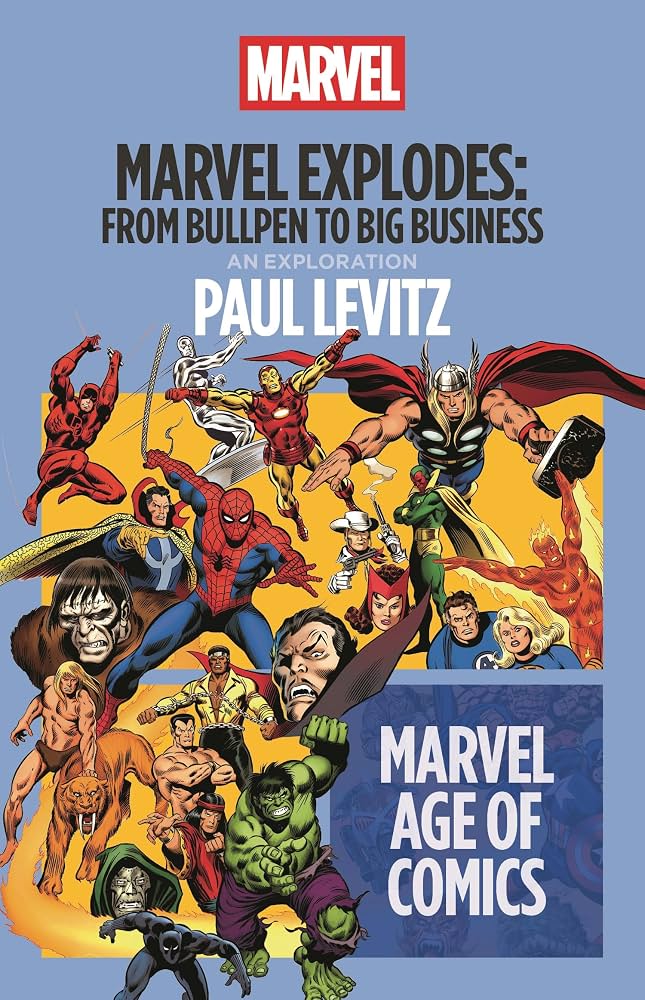
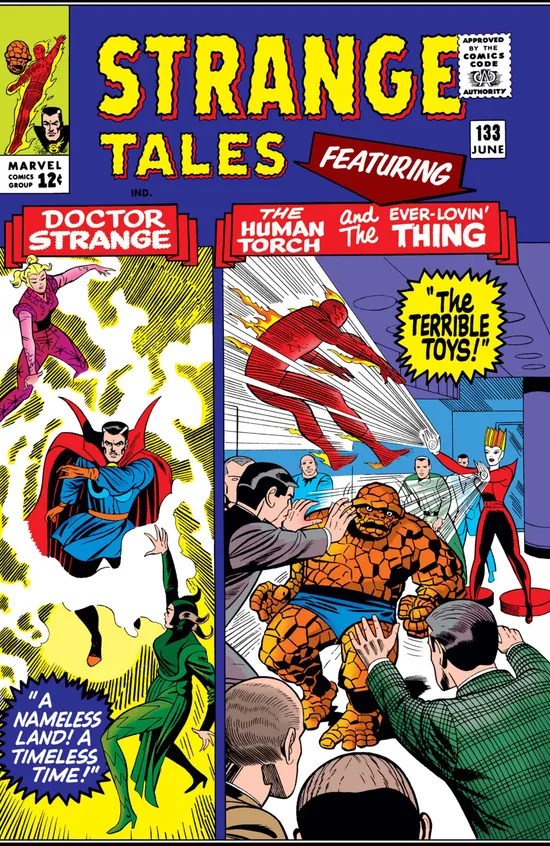
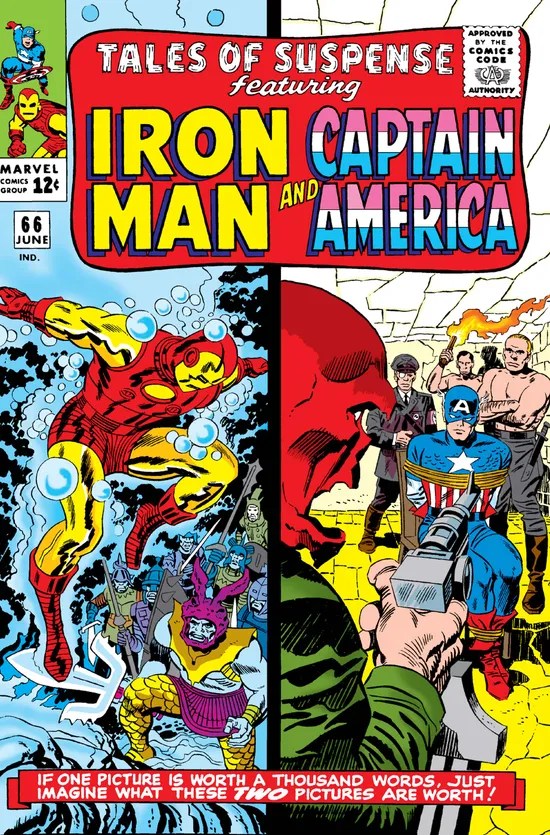
Part of the problem is the format. As a volume in the larger Marvel Age Of Comics series, Marvel Explodes is designed for the broad strokes. Levitz’s history lesson hops on the Silver Surfer’s board starting from the mid-1960s through Marvel’s explosion into the dominant force in comics during the web-slinging 70s. Within it all, particular attention is paid to the business behind the books rather than simply the books themselves. Titles rise and fall. Characters move in and out of shared books like Tales of Suspense and Strange Tales. Editorial decisions ripple through the line. Stan Lee evolves from editor to publisher to Marvel’s permanent master of ceremonies. While Jack Kirby is embarrassingly shown the door.
Levitz is particularly good when he gets into the numbers and the machinery behind the magic. His perspective on editorial decisions, publishing economics, and the practical business of making comics provides a different view of an era that has been otherwise mythologized. His own “Confessions” sidebars, with his contemporaneous views from young fanboy to zine publisher, are oftentimes more engaging. They give the history a personal connection that the abbreviated format occasionally lacks.
This isn’t really a history of Marvel’s creative evolution. Readers looking for the inside story of how those comics were conceived, developed, and changed need to look no further than Sean Howe’s incredible deep dive: Marvel Comics: The Untold Story.
What Levitz provides instead is a series of quick visits. A highlight here. A failure there. A look at why a particular title worked, why another didn’t, and how Marvel’s increasingly interconnected publishing strategy helped turn a collection of comic books into a genuine business empire.
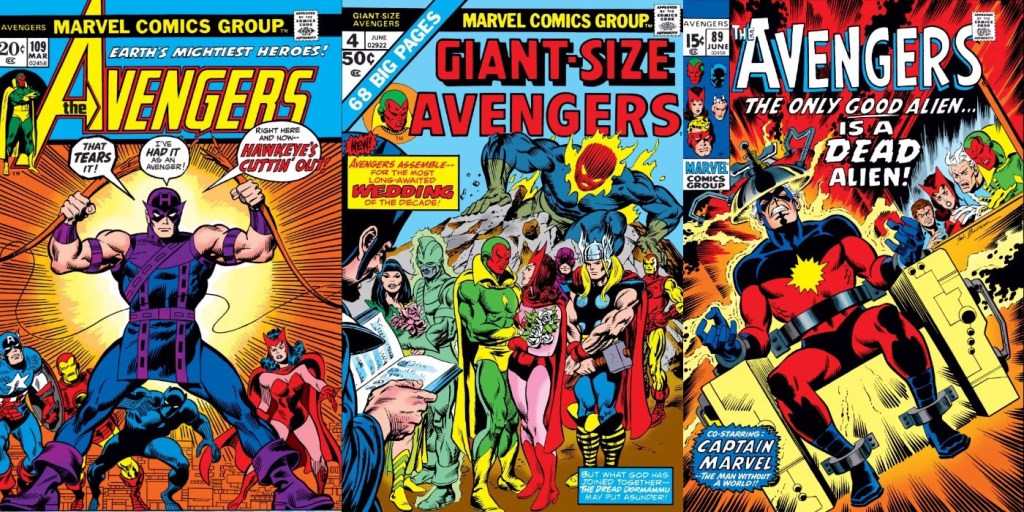
Enjoyable, informative, and clearly written by someone who genuinely loves the material. Levitz is a good writer, an accomplished editor and, by all accounts, a pretty decent human being. You can feel that affection throughout the book.
Which makes the limitations of Marvel Explodes all the more apparent. Paul Levitz has the knowledge and experience to give this subject considerably more depth. Unfortunately, the format doesn’t give him the room.
The result is as fast as a Stan Lee one-liner. But where Stan usually stuck the landing, Levitz leaves you wishing he’d been given another hundred pages.

A hearty Excelsior! to Bloomsbury Academic and NetGalley for this marvelous advanced read.





Leave a Reply