| Title: Push The Wall (2026) Author: Frank Miller Publisher: S&S/Saga Press Book jacket: Push the Wall is a masterclass in the art of storytelling and an intimate look inside the mind and life of a creative genius. With over a dozen illustrations, chosen from seminal moments from Frank Miller’s art, this reveals the man behind some of the most exciting stories of our age. Joe says: Push the Wall is less a retrospective than it is a creative manifesto. |
Some creators make comics.
Frank Miller changed them.
Before Miller, comics were four-colored morality plays where superheroes always saved the day. After Miller? The shadows got darker. Heroes got older. Villains got smarter. The ink got heavier. Comics stopped catering to children and started eyeing adult ventures.
Push the Wall explains Miller’s role in this renaissance.
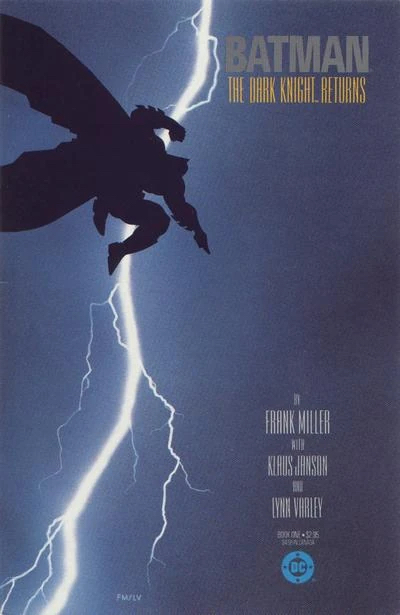
But, don’t come looking for a how-to-draw manual. This isn’t about brushes. Or perspective. Or what kind of pen makes Batman’s cape look moodier.
This is all about the engine. The spark. The reason you make art in the first place. Expect a lot of behind-the-scenes philosophy as the creative balance in this book tips in favor of the why instead of the how.
Think of Push the Wall as Miller’s answer to Stephen King’s seminal On Writing, Chuck Palahniuk’s masterclass on fiction writing Consider This, and Stephen Kozeniewski’s tribulations with the indie publishing world in Yes, I Am A Vampire. Part memoir. Part philosophy. Part pep talk from the guy who kicked the whole superhero comics medium through a brick wall.
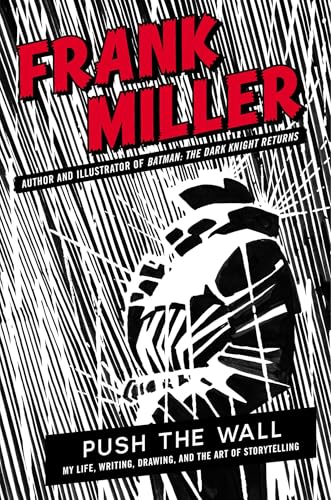
From his childhood in Vermont to his early struggles in New York, through his years at Marvel and DC and eventually Hollywood, Miller effortlessly shifts between personal reflection and artistic instruction. The cadence of his prose echoes the hard-boiled narration that made Batman: The Dark Knight Returns and Sin City feel less like comics and more like crime novels splattered in black and white and red. For Miller, the stories matter. The lessons matter more. Because Miller’s interested in momentum.
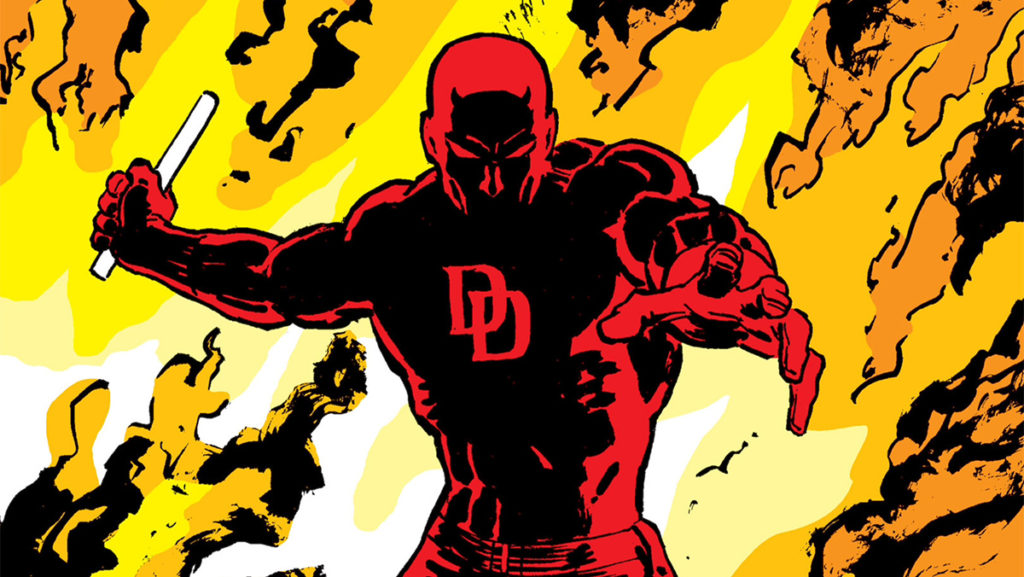
What may surprise some fans with Push the Wall is what Miller chooses not to discuss. Readers hoping for extensive behind-the-scenes stories from Batman: Year One or Daredevil: Born Again may leave wanting more. Those landmark works are acknowledged, but only briefly. Instead, Miller keeps circling back to Ronin, describing it as the creative leap that liberated him artistically and ultimately opened the path toward Sin City. Ronin is the book he clearly sees as the moment everything changed. The risk. The leap. The creative freefall.
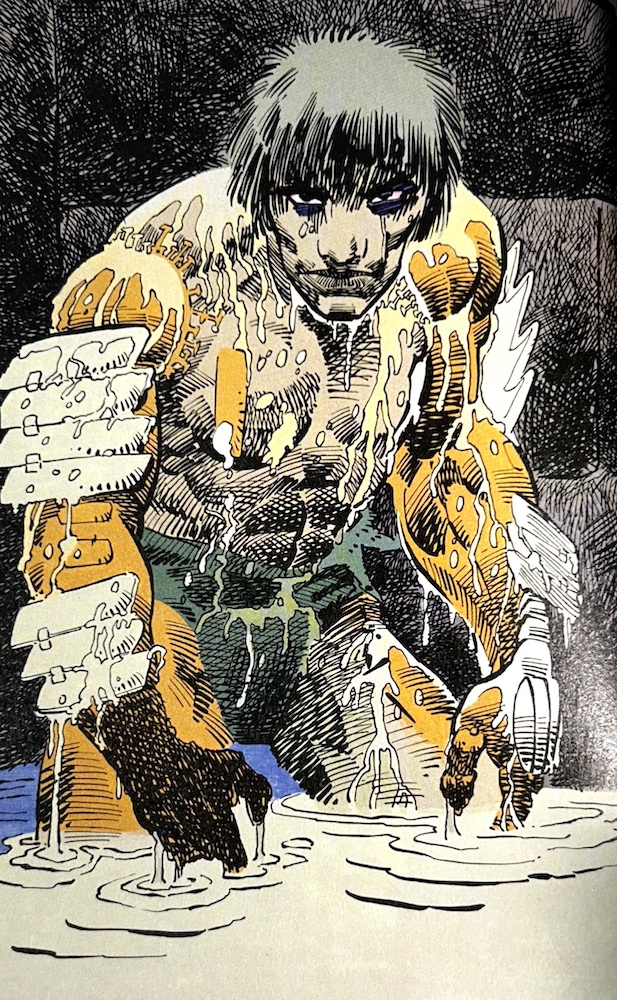
That’s probably the biggest lesson in Push the Wall. Artists remember the work that scared them.
Hollywood gets its due. So do the bumps in the road. Miller openly discusses RoboCop 2, RoboCop 3, while warmly recalling his creative partnership with Robert Rodriguez. One of the book’s most engaging chapters is his breakdown of High Noon. By dissecting its visual storytelling alongside his own work on Ronin and The Dark Knight Returns, Miller demonstrates how cinematic language and comic-book storytelling share the same DNA.
This is where Push the Wall really catches fire: when he explains storytelling.
Throughout the book, one theme consistently emerges: fear is the enemy of creation. Miller argues that bad ideas deserve to be discarded. Safe ideas deserve to be challenged. Artists should never become prisoners of their own success. That philosophy explains not only his career, but why his work has remained so influential for nearly five decades.
Frank Miller doesn’t tell you how to make comics. He reminds you why artists create in the first place.

Readers looking for the definitive behind-the-scenes history of The Dark Knight Returns may walk away wishing for another hundred pages. This is not an exhaustive victory lap. Miller invites readers into his creative mindset, sharing the principles that fueled the work rather than simply recounting the accolades that followed.
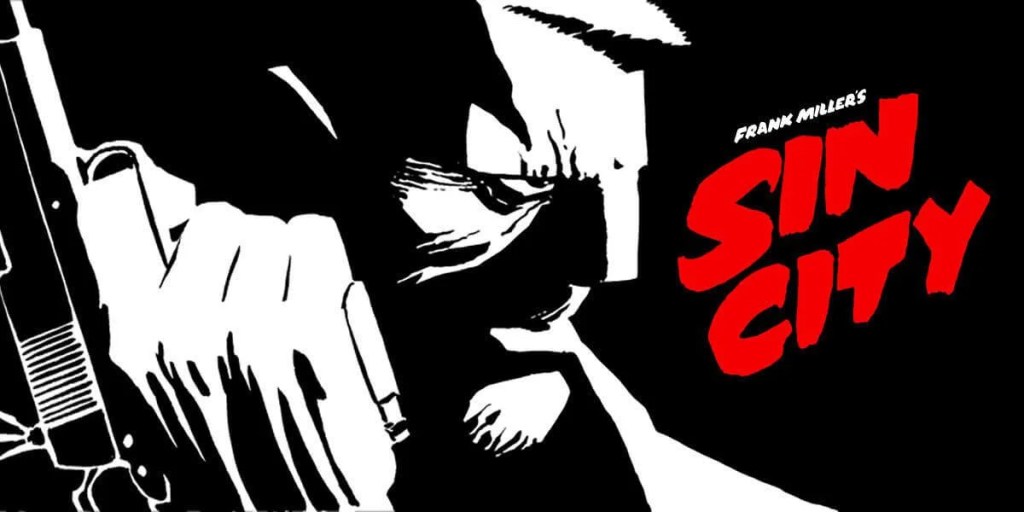
Frank Miller changed superhero comics once he dropped ninjas into Daredevil. He then redefined Batman. He helped usher comics into a darker, more mature era. As one unforgettable line from The Dark Knight Returns reminds us, “This isn’t a mudhole… it’s an operating table.” That philosophy has defined Miller’s career. He has always challenged conventions in order to craft something stronger.
And honestly? That feels perfectly like Frank Miller.
Push the Wall isn’t the autobiography every fan expects. This is the one Frank Miller wanted to write.

Thanks to Saga Press and NetGalley for the advanced access to this wonderful Frank Miller book. I’ll save my story for later post about how I unsuccessfully crashed Frank’s VIP signing at a Philly Wizard World Comic Convention.





Leave a Reply